
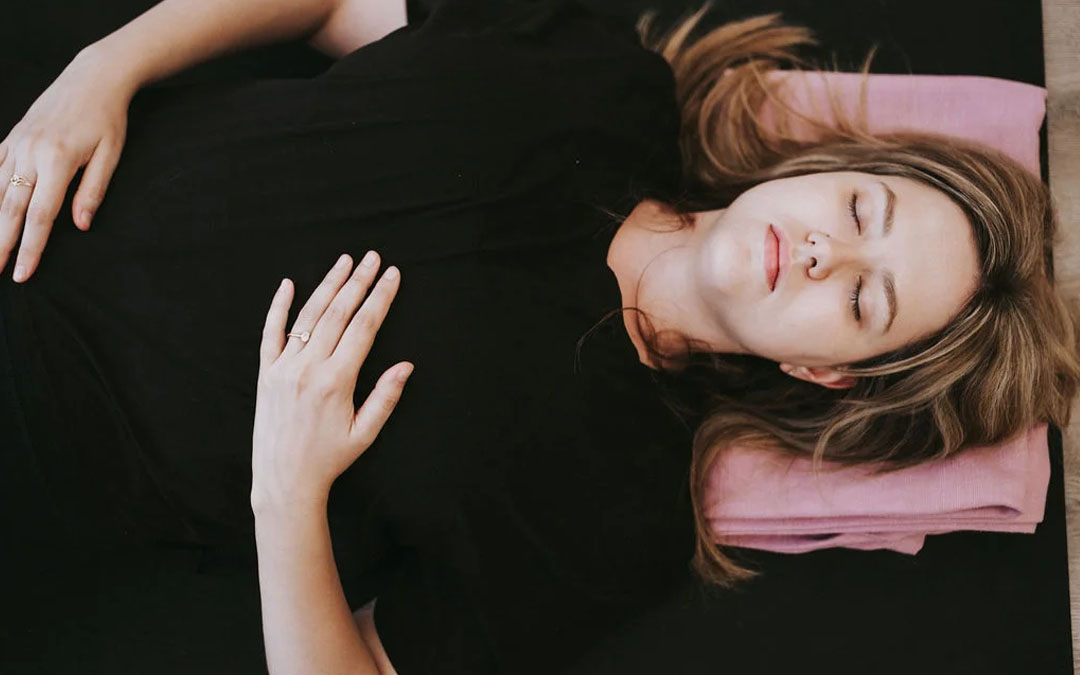
Good morning! How did you sleep last night?
Do you feel refreshed and ready for the day, or is it more of a grumpy, slow start?
What does your Oura/Whoop/AppleWatch/[insert other tracker] say about the length and quality of your sleep?
If you’re not part of the refreshed and perky brigade, you’re not alone. According to the most recent UK Biobank study, around half of us rate our sleep quality as poor, and a survey by the Mental Health Foundation reported that the average UK adult gets 3 good nights of sleep per week (presumably at the weekend).
Disturbed sleep can affect our health in surprising ways, but yoga (especially the gentler kind) could help us get a bit more nourishing sleep every night.
Sleep debt can have profound effects on our health
You know the advice: aim for around 7 hours of sleep every night. Sleeping less than that for a short period of time (a few days) is sometimes called ‘acute sleep disturbance’, like my current 3-hour sleep deficit from long-haul travel and jet lag. When it lasts for 3 months or more, it’s considered ‘chronic’; for reference, 40% of adults in the UK Biobank study reported sleeping for less than 7 hours each night.
It will come as no surprise that not sleeping enough affects how well we function. Not enough sleep leads to the familiar tiredness, sleepiness, grumpiness and maybe even low mood.
What’s perhaps more important is that sleep disturbance, especially when it’s chronic, may put us at risk of developing chronic diseases like:
- Cardiovascular disease
- Metabolic diseases like type 2 diabetes
- Anxiety
- Neurodegenerative diseases, including effects on our memory
A big part of this is because sleep debt acts as a stressor, disrupting our immune system and triggering a cascade of downstream health issues.
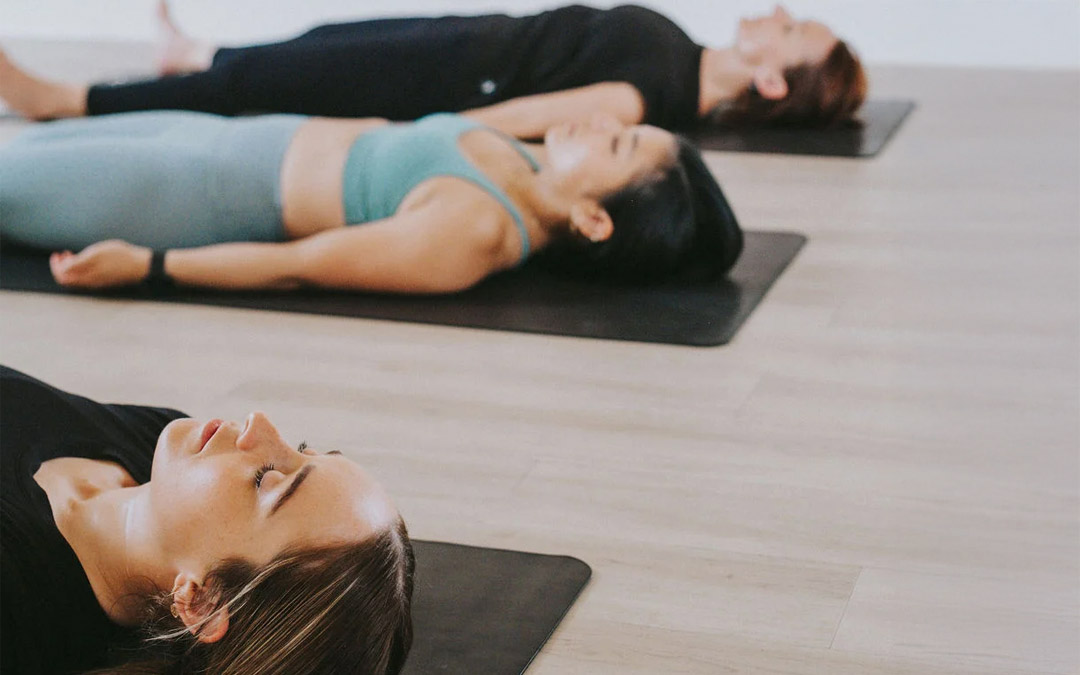
Sleep debt messes up our immune system
As an immunologist, I may be biased, but our immune system is hugely important for our health (and has interesting links to yoga). It protects us from infection (clearing up pathogens like bacteria and viruses) and helps remove potential cancer cells. And, an unbalanced immune system (for example, due to physiological and psychological stress) can mean excessive inflammation, which is linked to many health conditions.
Sleep debt caused by disturbed sleep can mess up our immune system:
- Our immune system cells work less well, which means they can’t clear pathogens as well as before, making us more susceptible to infections (if you have ever gotten sick after a long stretch of disturbed sleep, this might have been the reason)
- It causes excessive or uncontrolled inflammation. This is a natural and temporary defense response to disease and injury, but when excessive can lead to the chronic diseases that sleep debt triggers.
In simple terms, disturbed sleep messes up how well our immune system works, increasing our risk of developing chronic health conditions like the ones mentioned above.
“yoga was found to be the most effective at improving total sleep time, increasing it by nearly 2 hours compared”
Yoga could help us sleep better
Yoga is definitely not a panacea for all our health problems, but there is evidence that yoga practice can support our sleep. (There is also quite a bit of evidence that it helps support a healthy immune system, possibly by helping us sleep better, which I write about a lot in my Substack for those interested).
For example, recent evidence suggests that yoga, tai chi, walking and jogging are some of the most effective types of physical activity to help us sleep better. In particular, yoga was found to be the most effective at improving total sleep time, increasing it by nearly 2 hours compared to the study comparator (the ‘active control group’, like stretching or lifestyle advice). It also helps us sleep more efficiently and fall asleep more quickly.
Yoga nidra (which if you know me you’ll know is my favourite practice) also has good evidence behind it in the context of sleep. Research has shown that regular yoga nidra practice can lead to improved sleep quality, alongside a number of other mental health benefits like improved mood and reduced stress.
One of the ways yoga (and yoga nidra) could help us sleep better is by quietening our mind (helping to soften all those anxious thoughts that float around and stop us from sleeping) and making us feel more relaxed overall.
This could mean that gentler practices, including slow flow or hatha, yin and restorative, may be particularly effective at supporting our sleep because they encourage body awareness and slow breathing (which activates the parasympathetic nervous system, sometimes referred to as ‘rest and digest’). For example, when we follow a guided meditation like yoga nidra, we naturally synchronise our breath with the pace of the guide, which tends to be slow and relaxed.
How to integrate this into your life
I always get asked “how much?” and “how often?” when I talk about yoga research, but the evidence doesn’t, unfortunately, give you a simple recipe. Instead, here are some things you could try to see how they could support your sleep:
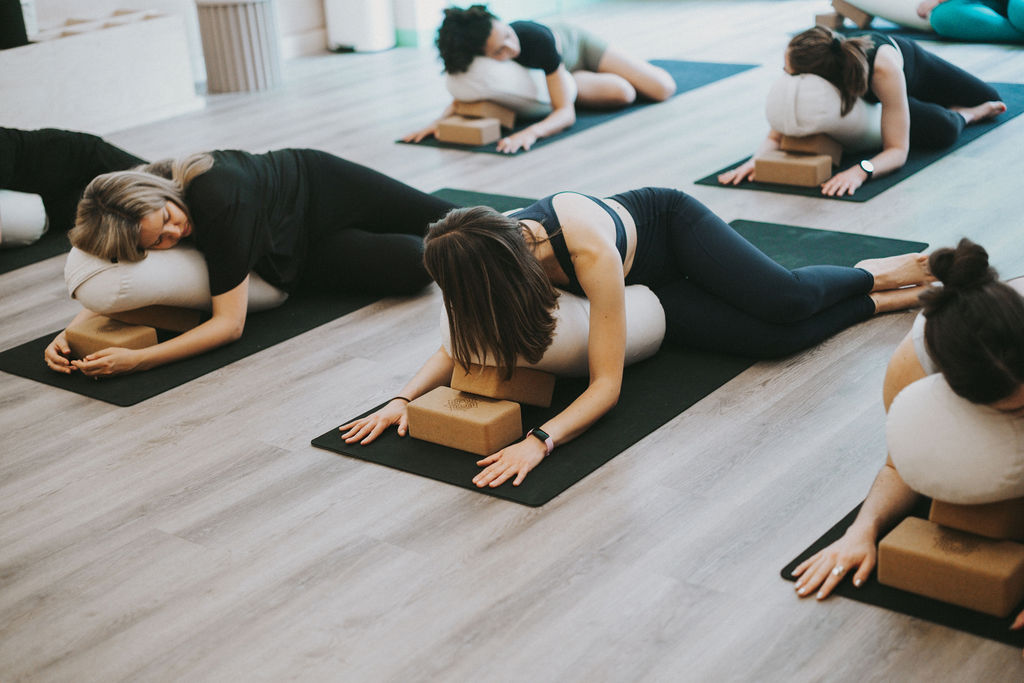
- Incorporate a gentle practice into your yoga routine. Try an evening yin or restorative class once or twice a week to help you slow down after a busy day and get your body and mind ready for bed.
- Balance your practice. Yoga for sleep includes the full spectrum of asana, pranayama, meditation and rest. This is especially important for those who tend to stick to a purely physical practice (I see you and used to be you).
- Practice regularly. Some studies have explored daily practice, others once or twice a week. Look at what’s sustainable for you and stick to it.
- Try yoga nidra. Practicing during the day may help set you up for better sleep later on, or practicing before going to bed may help you fall asleep more easily.
- Consider a bedtime routine. Outside of structured classes, explore incorporating a short practice before bed, for example a short breathing practice (like coherent breath), or 1–3 yin or restorative poses. Here are some poses you could do in bed; hold each for around 2 minutes, or more if you like:
- Reclining child’s pose: Hug your knees into your chest, gently pulling them in to lengthen your lower back.
- Reclining butterfly: Bring the soles of your feet together and drop the knees to the sides, maybe using pillows under your knees for support. You could also use a rolled-up blanket or pillow under your upper back to counter tension from rounding all day.
- Reclining twist: Open your arms wide into a T shape, shift your hips to the left and drop your knees to the right, maybe placing a pillow in between your knees for support. Repeat on the other side.

About Dr Rachel David
Rachel is a science geek, yoga teacher and writer, among other things. She fell in love with yoga after completing her PhD. Since then, she has lived up to her geeky persona by completing a number of trainings with amazing teachers. She teaches vinyasa flow, somatics-inspired flow, yin yoga and yoga nidra, weaving poetry (her other love) into her classes where possible.
An immunologist by training, she is a little bit obsessed by the science of mind–body practices like yoga, in particular the intersection of yoga with mental and immune health (called psychoneuroimmunology). She has written extensively about this and other topics on wellbeing, including sleep – subscribe to the mind–body adventure Substack (https://geekyyoga.substack.