
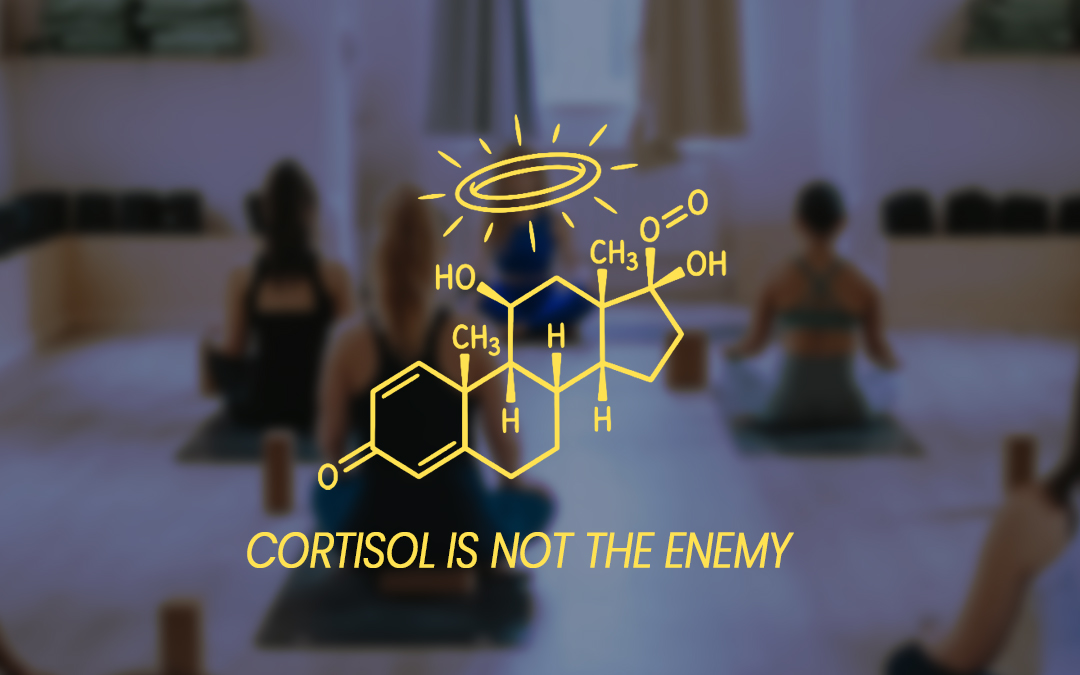
The fact is, we need cortisol. It helps motivate us, it’s instrumental in getting us out of bed in the morning, it sharpens our focus, helps us perform under pressure and even acts as a natural anti-inflammatory. So why all the bad press? Like most things, moderation is key.
the problem isn’t cortisol itself, problems arise when levels stay elevated for too long. And no, you don’t need expensive supplements to “balance” it.
Cortisol: The Facts
What even is cortisol? It’s a hormone produced by the adrenal glands – two small glands that sit just above your kidneys. It’s often called the “stress hormone,” but that label doesn’t do it justice. Cortisol is vital for regulating your sleep cycle, your metabolism and your ability to manage stress. It is one of the most important chemicals your body produces.
Here’s the truth: the problem isn’t cortisol itself, problems arise when levels stay elevated for too long. And no, you don’t need expensive supplements to “balance” it.
As a psychotherapist, what I see in my clients isn’t just stress, it’s bodies that have forgotten how to switch off. Sympathetic Overdrive is what happens when the nervous system gets stuck in emergency mode. The threat has passed, but the alarm is still ringing.
Nowadays our nervous systems can’t tell the difference between a sabre tooth tiger walking into the room and the 400 emails waiting for you to answer. The reality is our nervous system interprets them both as a threat and prepares us for survival. Fight or flight kicks in. This isn’t a conscious choice – this is survival mode. But when the cortisol keeps pumping and the threat feels sustained, when do we get to reset?
What’s surprising is how physical it is. We think of stress as something that happens in the mind, but chronic cortisol elevation shows up in the body: it’s disrupted sleep, a compromised immune system, aches and pains, even digestive issues. The mind and body are not as separate as we’d like to think.
And here’s something I see regularly in my therapy practice that people rarely connect back to stress: chronic high cortisol can impact libido, testosterone production and sexual functioning. Clients often come in believing something is “wrong” with them physically, without realising their nervous system has been stuck in survival mode for months or even years. When the body believes it’s under constant threat, it diverts energy away from things like sexual function and reproduction in favour of survival. Over time, persistently elevated cortisol can contribute to low libido, fatigue and even erectile difficulties.
The Problem With Pushing Through
Exercise is something I consistently prescribe to my clients. In moderation it is an absolute foundational building block of good mental health. But not all exercise is equal and to a body and mind already at the upper end of the stress spectrum, a high intensity cardio session may not be the release your nervous system is crying out for.
Gone are the days of self-flagellating exercise routines. We now know that blasting our bodies can be interpreted as a threat and can even contribute to sympathetic overdrive. The nervous system doesn’t distinguish between work stress and training stress. It all counts.
Working with my clients, our goal is not to banish cortisol, it’s simply to regulate it. Remember, you can’t force your body to relax, but you can curate the conditions that make relaxation possible.
Enter Yin: your cortisol ally. It reminds our cortisol of its purpose, not the alarm that won’t switch off, but the steady, functional hormone that helps you sleep, recover, and most importantly, feel like yourself again.

Meet Yin and Your Vagus Nerve
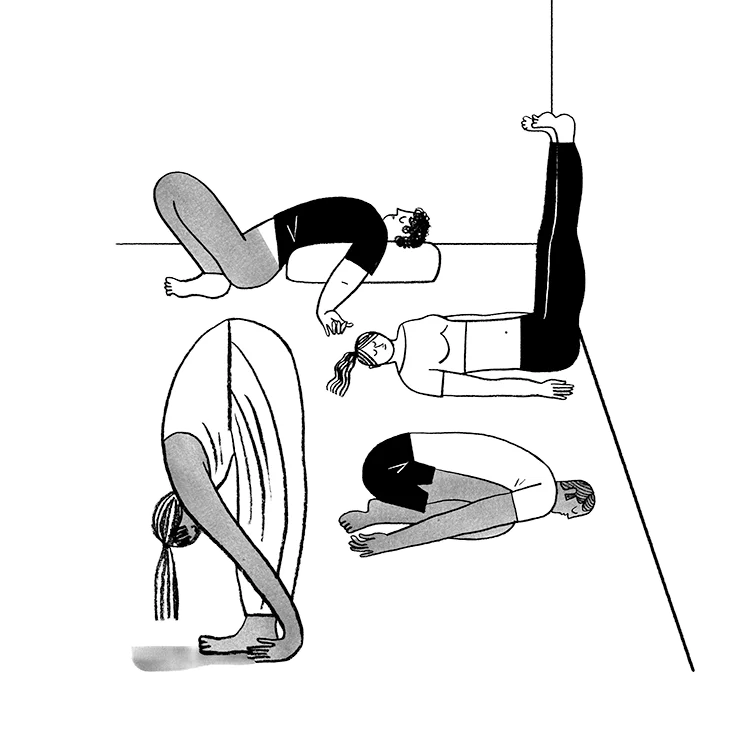
Yin Yoga, the mediator, the arbitrator, is a slow-paced, meditative style of yoga that targets deep connective tissues: fascia, ligaments, and joints, rather than muscles. Think of it as the missing piece in an otherwise demanding routine.
Yin works by shifting the body from the Sympathetic Nervous System, that’s your fight or flight mode, into the Parasympathetic Nervous System, your much needed rest and digest mode. It creates a deliberate pause. An essential stress short circuit.
Now meet your vagus nerve: this is the real influencer you need to follow! Think of it as the body’s internal messaging service, governing heart rate, digestion, breath and immune response all at once. It is the go-between telling your body when it needs to react and when it’s safe to connect. It directly influences how you respond to stress.
Yin speaks directly to your Vagus nerve. Unlike a Vinyasa flow or a post-gym stretch, Yin asks you to stay still. It’s that stillness sustained over three to five minutes per pose that sends a direct signal to the vagus nerve that you are safe. Not a burst of endorphins, not a spike in heart rate, just a quiet, consistent message that the emergency is over.
It’s not about forcing your cortisol to stop doing its job. It’s about removing the conditions that cause it to overproduce.
In a world where putting up a fight is being role-modelled all around us, let’s show our nervous systems some compassion. It’s there trying to help, it shows up for you every single day. Invite it to try something new. Something safe.
Experience the Yin effect.
Call a truce with your stress today. Find a Yin Yoga class at one of our 40+ locations and start working with your body, not against it.
The Bottom Line
Cortisol was never the villain. It’s a hormone doing exactly what it was designed to do: keep you safe, keep you alert, keep you alive. The problem is a modern world that never stops sending it the signal to perform.
Cortisol does not need to be the saboteur of your inner peace.
Working with your nervous system rather than against is ideal for anyone serious about long-term health and performance.

About rEBECCA lISI
Rebecca Lisi MA MBACP is a psychotherapist, workplace mental health trainer and speaker specialising in stress, burnout, nervous system regulation and emotional wellbeing. With a background spanning private practice, the NHS, private hospitals and corporate training, Rebecca is passionate about making psychology practical, accessible and genuinely useful in everyday life.
Alongside her therapy work, Rebecca delivers workshops and talks for organisations, universities and professional groups, helping people better understand how stress affects the brain, body and behaviour. Her approach combines psychotherapy, neuroscience and real-world experience to help people move beyond awareness and build lasting emotional resilience.
Rebecca is particularly interested in the growing conversation around cortisol, burnout culture and the nervous system, and regularly writes and speaks about the psychology behind modern stress. She believes mental health support should feel human, grounded and empowering – not clinical or overwhelming.
Before retraining as a psychotherapist, Rebecca worked professionally as an actress, including performing Shakespeare and studying acting at degree level, experiences that continue to shape her engaging and relatable communication style today.
You can learn more about Rebecca’s work, therapy services and training at www.rebeccalisitherapy.com