INTRO MEMBERSHIP OFFER! Unlimited Yoga & Pilates, Access All Studios - £1 First Month* Then 1/2 Price for Life
START NOW
Don’t believe the hype! It seems that in this current wellness era, Pilates has gained a reputation much attached to its paraphernalia and aesthetic; we may associate matching workout sets, manicured studios and reformers, and tantalisingly green matchas with the practice more so than anything to do with its true ethos.

This renaissance of aesthetics has illuminated the virtues of Pilates to a wider audience than ever, but also could be seen to breed an environment of exclusivity, or even inaccessibility. At MoreYoga we are much more interested in substance over style, the quiddity which lies behind the Pilates aesthetic rather than the aesthetic itself. The beauty of mat Pilates is that it can be done at home – and is therefore Pilates that exists for everyone, that strives to benefit all, no fancy equipment required.
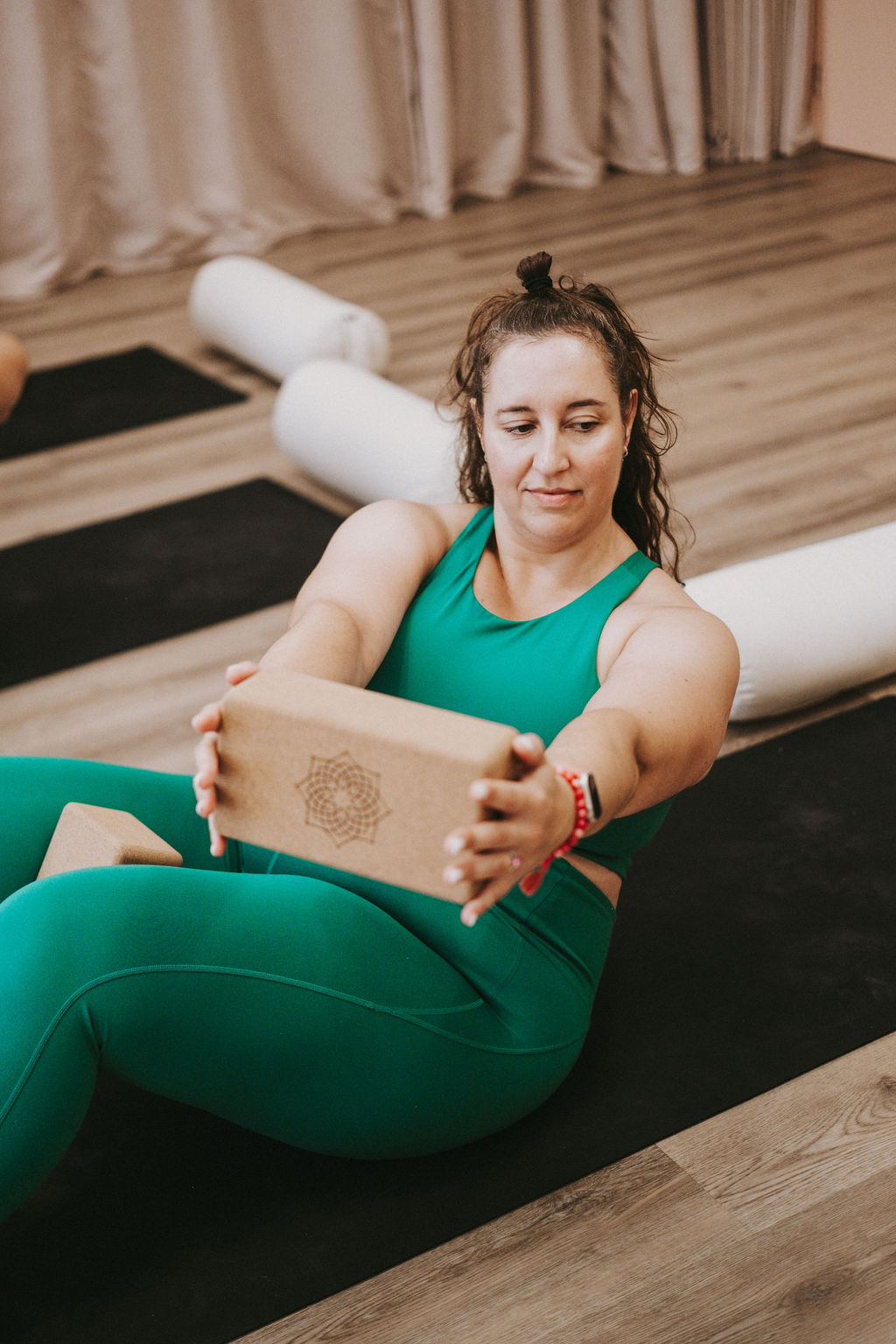
Mat Pilates with a yoga block at MoreYoga

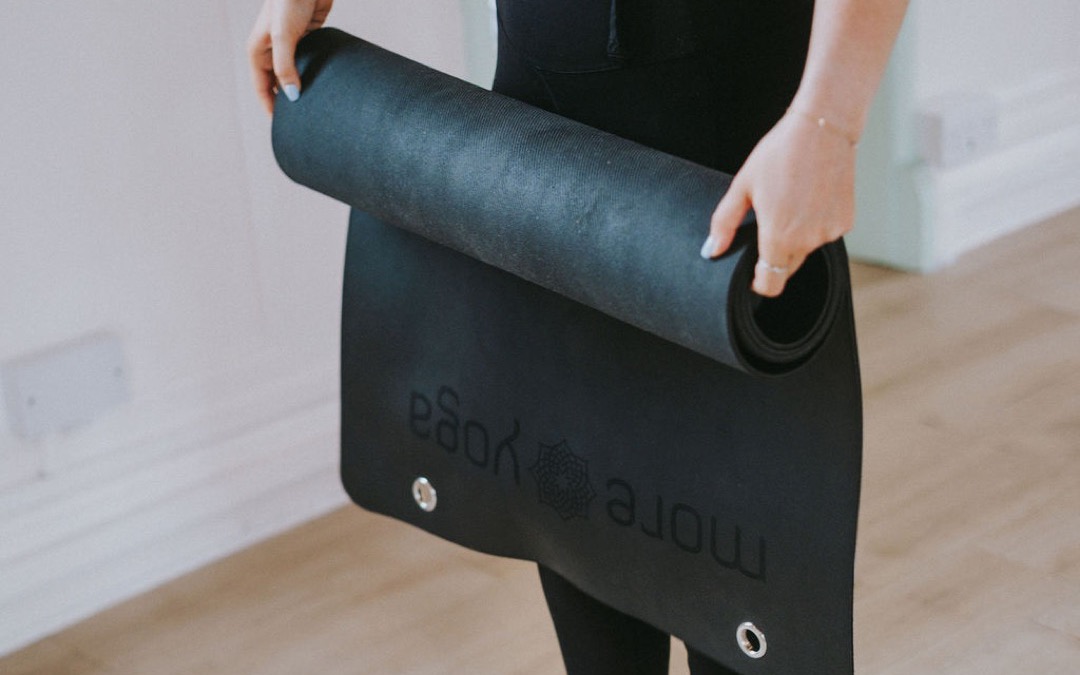
The mat is the key.

Pilates, at its core, is a series of body weight movements, many of which take place on the floor – hence the necessity of a mat, and only a mat, to practice Pilates as it was originally intended. As such, weights, resistance equipment including reformers, bands, or blocks can all be supportive additions to the practice, but are in truth supplementary. With a mat and a comfortable space, you can easily practice Pilates anywhere, especially at home.

Pilates began on a mat with Joseph Pilates over 100 years ago beginning with his theory of “Contrology”, drawing on gymnastics, physical conditioning, martial arts and other movement disciplines. The non-reliance on equipment that differentiates mat pilates from reformer perhaps speaks to the ethos of Pilates most strongly. Joseph Pilates was a German national who developed his method and helped fellow internees while interned during World War 1 at Knockaloe camp on the Isle of Man. At its core (excuse the pun), Pilates is humble, and expressly intentional and rehabilitative – rather than aesthetically motivated.

In our hectic lives we may only have time to exercise while dinner is in the oven, while the telly is on in the evening, or even during our lunch break while working from home – and this is the magic of mat Pilates at home! It offers us an adaptable and accessible practice that fits around our busy lives, and gives us a chance to practice between classes or studio visits, and commit to nurturing our health as a daily habit.

How You Can Do Pilates at Home

Through a quick online search, a keen practitioner will discover a trove of resources to acquaint themselves with the world of Pilates.

Plank

You may want to start with plank, which ignites the core and the upper body, areas of strength that innumerable other Pilates poses target, as well. Plank is a position that a Pilates beginner may have encountered in other forms of exercise, and thus provides a valuable foundation and gateway to the rest of the practice.

How to do a plank (knees down to modify).

Bridges & Pelvic Tilts

Bridges and pelvic tilts are both done while lying on your back, your feet flat on the ground and ankles within reach of your hands, each movement targeting the alignment of the pelvis and pelvic elevation through glute activation in bridge.

Correcting pelvic tilt is a core principle of Pilates – philosophised as a counteracting force to all the sitting that is usually required by our modern lives – and thus learning to target this area is an important building block to graduating to more advanced levels of the practice.

How to do a pelvic tilt.

Hundreds

Famed Pilates ‘Hundreds’ is another position entirely doable at home, during which you lie on your back with your legs at a 45-degree angle, your head and shoulders elevated off the ground, and arms engaged to do 100 pulses with palms faced down. ‘Hundreds’ activate the core and the arms, though like planks, bridges, and pelvic tilts, they are modifiable; a beginner may put their knees down in plank, may hold bridges for shorter or modify (or even leave out) leg lifts in bridge, or in ‘Hundreds’ one may position their legs to accommodate for their fitness level. Thus, not only does Pilates at home adapt to our dynamic lives, but is easily adapted to your experience level.

How to do the Hundred (adjust your legs to suit).

Why You Should Do Pilates at Home

Doing mat Pilates at home is a fantastic way to build a foundation, to familiarise yourself with a set of movements that may be foreign or feel unnatural. Pilates at home also allows beginners to set their own pace, take their time to feel into positions, to even orient themselves to a mirror to recognise the subtle movements of the pelvis in pelvic tilts, or the spreading of the shoulders in plank. Mat Pilates at home is also adaptable to our busy lives and may be the stepping stone to creating an exercise habit for life.

Why You Should Do Pilates in Studio

Mat pilates at home also prepares you for Pilates in a studio! Moving between at-home practice and studio classes allows you to expand your Pilates practice as expert teachers can introduce students to new modifications, new poses and flows, and corrections of technique. The two go hand in hand – practising at home allows one to focus and deepen movements that were perhaps not adequately addressed in class, and a studio class can help one refine, guide, and expand the practice in the studio with an expert’s oversight. And on a practical level, sometimes it’s hard to make it to the studio, and sometimes the timings line up and it’s nice to practice in a clean, calming space (rather than in your own living room surrounded by reminders of everything you have to do after your workout)! Juggling an at-home and in-studio practice ultimately makes Pilates more accessible and habitual.

In Conclusion…

Whether one’s practice takes shape at home, in-studio, or (ideally) as a mixture of both, MoreYoga strives to empower and expand any Pilates student’s practice, offering studio classes all over London that impart students with all the benefits Pilates has to offer, while also providing students with the tools to nurture their practice at home. Most importantly, MoreYoga embraces a Pilates practice that meets each practitioner where they are at, and aims to teach a form of Pilates that goes beyond the surface – and delivers beyond the aesthetic.

Ready to try Pilates in a studio?

Take your mat Pilates further with expert teachers across our London studios. Join our community today and get your first month for just £1.
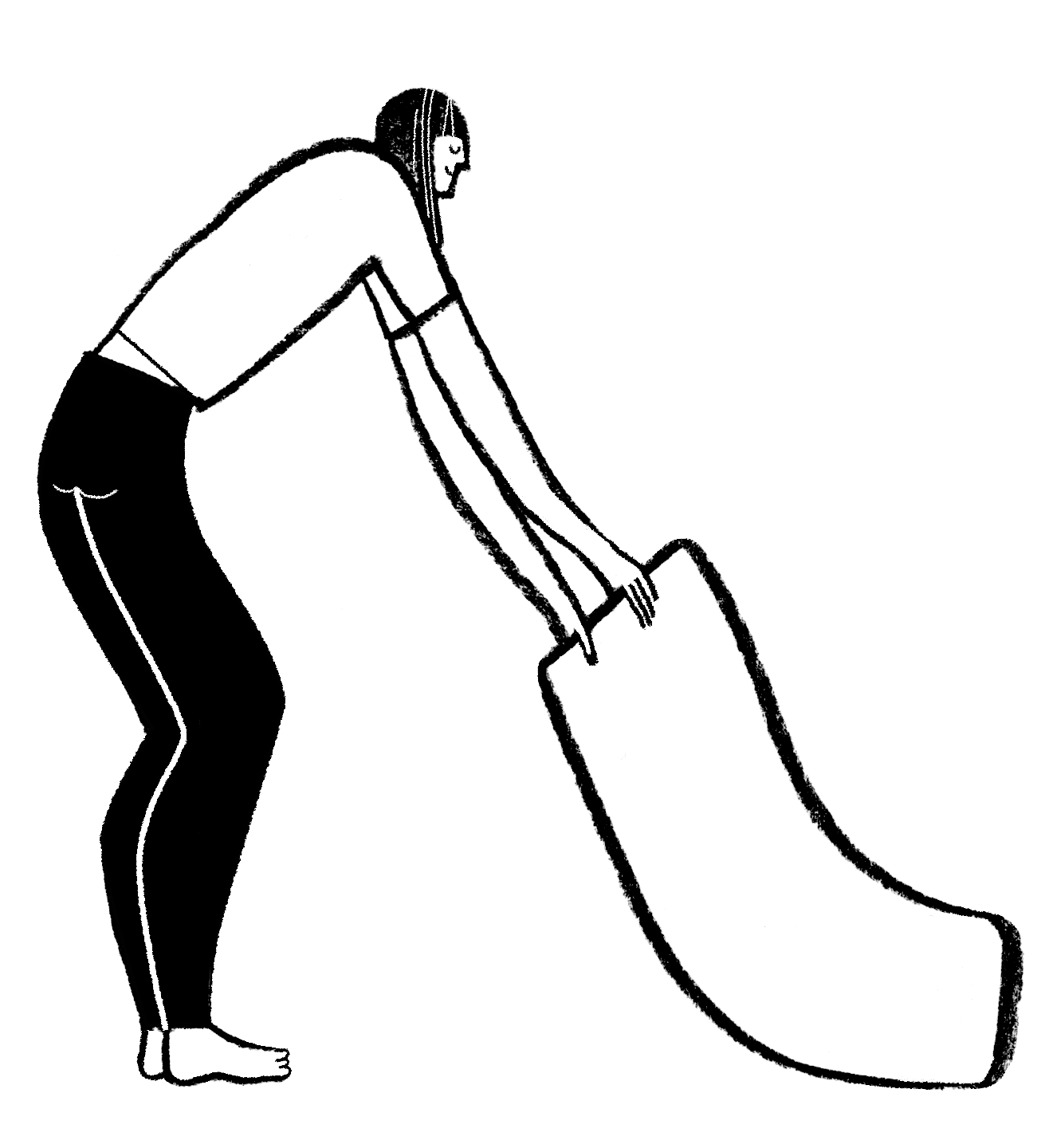
Cartoon of a person laying down a yoga mat

About Aviva Pellman

Aviva Pellman is an avid yogi and English Literature student at UCL. Her nose has been in a book since she was young, though she has been on the mat since she was a teenager in California. When she moved to London for university, she fell further in love with yoga at MoreYoga as a way to balance and temper both the stress of studying and the dynamism of life in London.

Through Vinyasa, Ashtanga, and other Yang yoga styles, Aviva finds that the power to control her body, the effort to pay close attention to technique, and the alignment of breath with movement allow her to suspend thoughts of George Eliot and Henry James (amongst others) for at least an hour a day. Yoga has cultivated strength, concentration, and calmness for Aviva on and off the mat and it is always the best thing about her day.