

Photography by Brenna Duncan at Community Sauna Baths
According to the NHS, “dementia is not a disease itself but rather a collection of symptoms that result from damage to the brain caused by different diseases, such as Alzheimer’s.” In other words, Alzheimer’s is dementia, but dementia is not always Alzheimer’s.
Dementia affects our thinking, reasoning and can alter our language and communication as well as moods and behaviour because the connection between the brain cells is lost and our brain slowly shrinks. In Alzheimer’s, the hippocampus is affected, and that’s why memory goes first. Sometimes, my grandmother would be all nice and sweet and others she’d come knocking on our door yelling that we stole from her.
However, according to the NHS some lifestyle improvements can help reduce the appearance of dementia, even though it’s not a cure.
So the question is: how can heat reduce the likelihood of Alzheimer’s and dementia related diseases?
Remember though, in a Finnish sauna, a person is exposed to a dry heat of 70–100 °C — not more — for periods between 5 and 20 mins.
Time to relax: release the stress
Heat also helps with mood regulation as it triggers endorphins. A 2026 study shows that sauna bathing helps with stress relief, mood improvement and less isolation.
We all know it’s better to live without stress than in a constant anxious state, even though it’s easier said than done. But stress can cause your body to be in a prolonged alarm state which would raise cortisol, the “stress” hormone. Too much cortisol can affect the brain, and more precisely, the hippocampus, the brain memory center. Hence, why heat relaxes you and helps avoid damaging your hippocampus and thus your memory.

Photography by Brenna Duncan at Community Sauna Baths
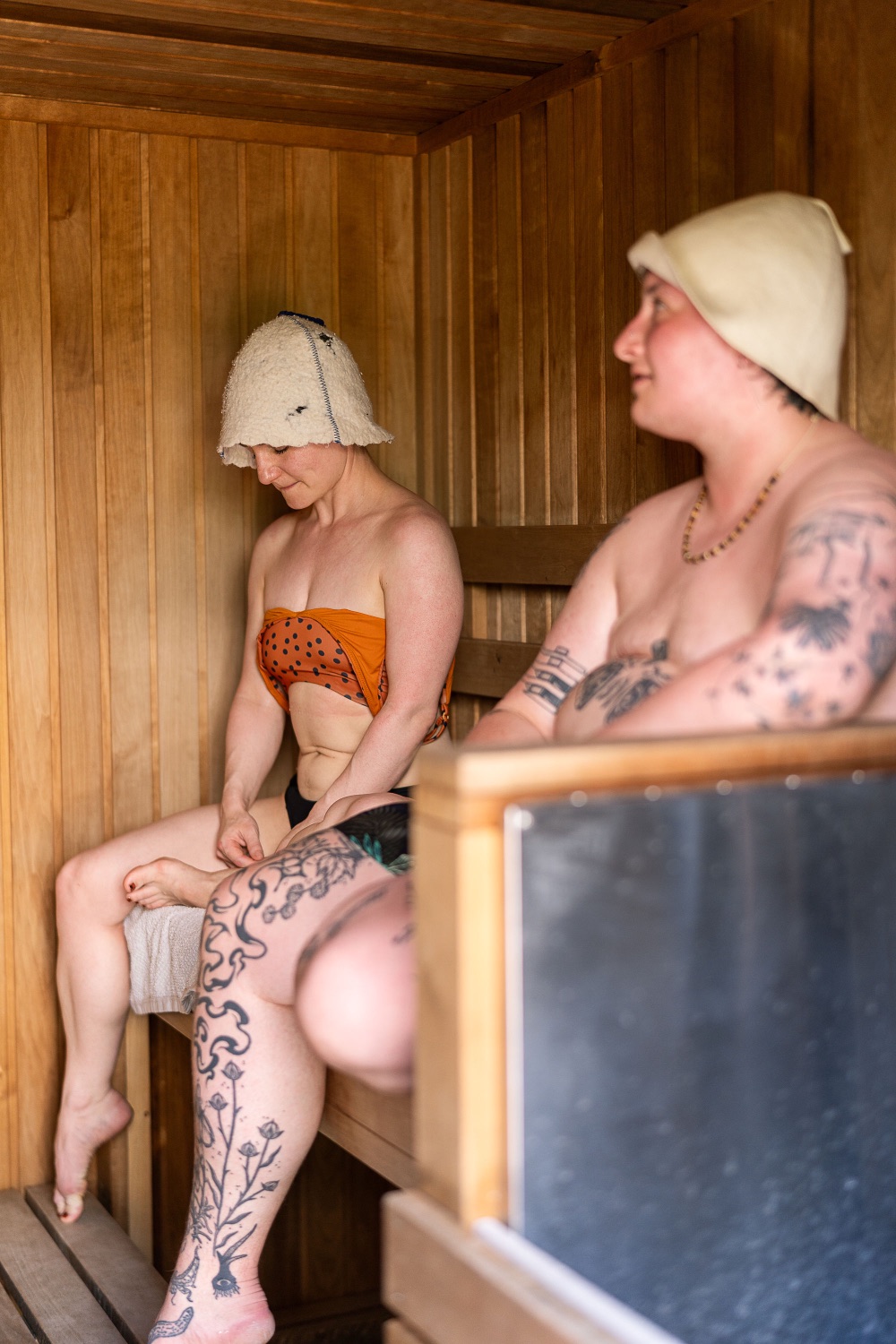
Photography by Brenna Duncan at Community Sauna Baths
Increase the flow: sauna is a great solution for brain health
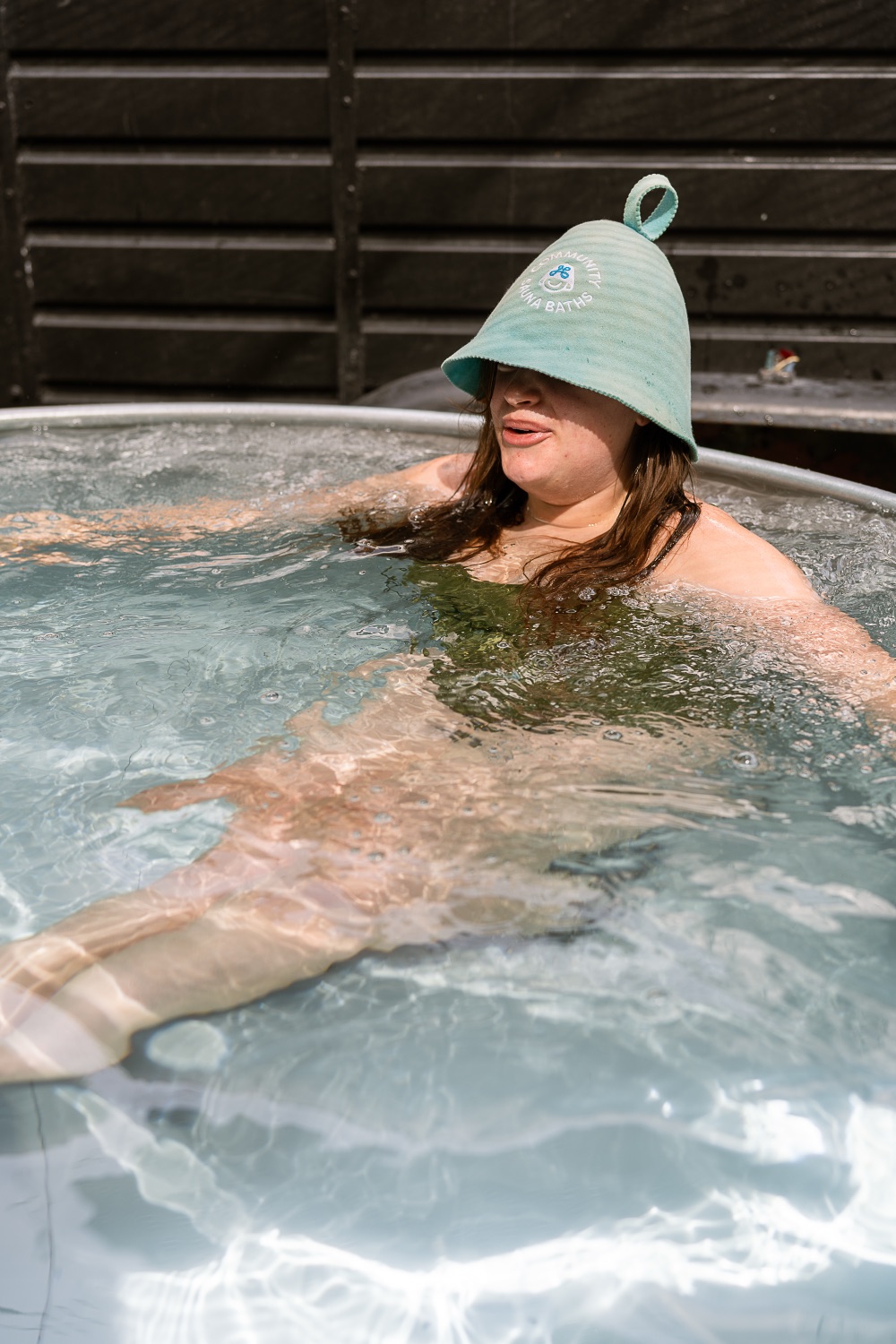
Photography by Brenna Duncan at Community Sauna Baths
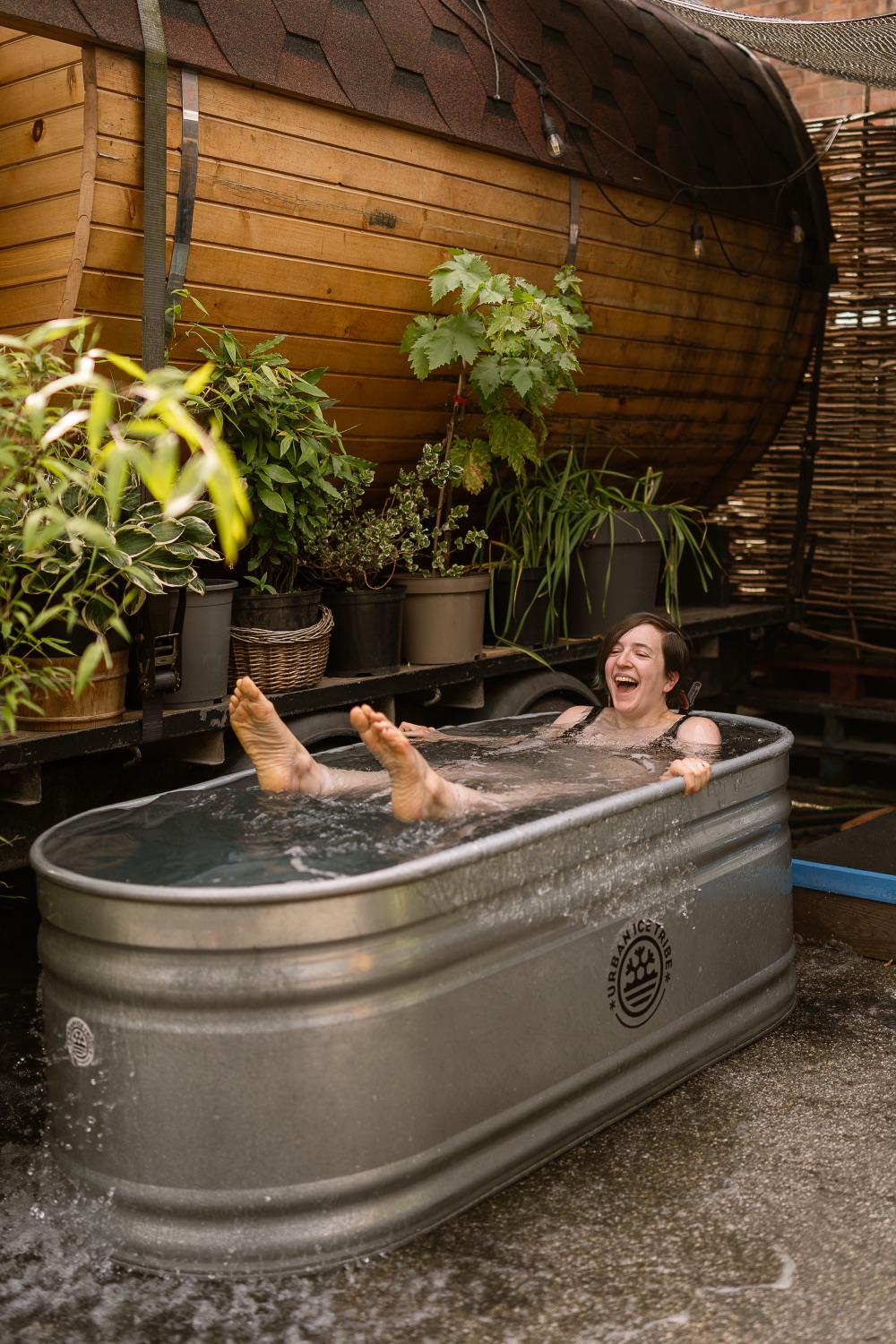
Photography by Brenna Duncan at Community Sauna Baths
Reduce the pressure: sauna is great for your heart
High blood pressure has been shown to harm your circulation and can damage blood vessels in your brain, leading to strokes and cognitive decline. It’s starting to look like heat can help keep Alzheimer’s and dementia at bay — don’t you think? But remember, it’s not a cure!

Photography by Brenna Duncan at Community Sauna Baths

Photography by Brenna Duncan at Community Sauna Baths
Build & repair connections: sauna for proteins
Overall, using a sauna several times a week is good for your health, and aside from keeping dementia at bay, going to the sauna is also great to socialise with friends, and bring joy! So what are you waiting for?
Remember – never to use a sauna without proper hydration beforehand. It should not prevent exercise either or good sleep and good eating habits but be used as a complement. Pregnant people should also avoid using a sauna. Make sure to check with your GP before using the sauna frequently as people with high or low blood pressure could easily faint while in a closed heated area.
Sauna is for everyone
Our sauna partner: Community Sauna Baths
As a not-for-profit community sauna we are on a mission to bring affordable sauna and cold plunge to everyone in London, and through social prescribing, provide free sauna to those in the community who need it most.
Find your calm in a class
Combine with a trip to the sauna. Slow down and release stress with yoga and restorative classes across our London studios. Join our community today and get your first month for just £1.

About Nina Lecourt
Nina is a TV lover and book addict and when she’s not practicing yoga, she also works in the media industry. And though she never liked any kind of exercise or even to move her body in any way for years, she fell in love with yoga when she moved to London from Paris and started practicing at MoreYoga. When COVID hit, she decided she’d keep on practicing and become a yoga teacher to further her knowledge of the practice and improve her skills when it comes to the body. She’s a literature graduate, sciences were never really her thing, but thanks to yoga, she discovered a lot about herself, and how the body works with the mind.
On top of that, Nina is very interested and involved in mental health awareness and her journey with yoga has of course been really important for that matter. She also writes a lot about her journey with mental health, therapy and yoga on Substack (https://substack.com/@ninoushka/posts) and would love to discuss it with you if you feel like it.